Child Labour: A Global Crisis Demanding Immediate Action

Child labour remains a deeply entrenched issue across the globe, affecting millions of children and depriving them of their fundamental rights to education, health, and a childhood. Despite international laws and conventions aimed at eradicating this practice, it continues to persist, particularly in developing countries. Understanding the complexities of child labour is crucial in addressing and ultimately eliminating this social ill.
Definition and Scope:-
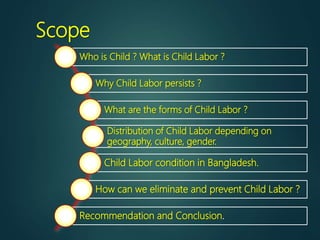
Child labour refers to the exploitation of children through any form of work that deprives them of their childhood, interferes with their ability to attend regular school, and is harmful to their physical and mental development. The International Labour Organization (ILO) estimates that 160 million children worldwide are engaged in child labour, with 79 million of them working in hazardous conditions.
Causes of Child Labour:-
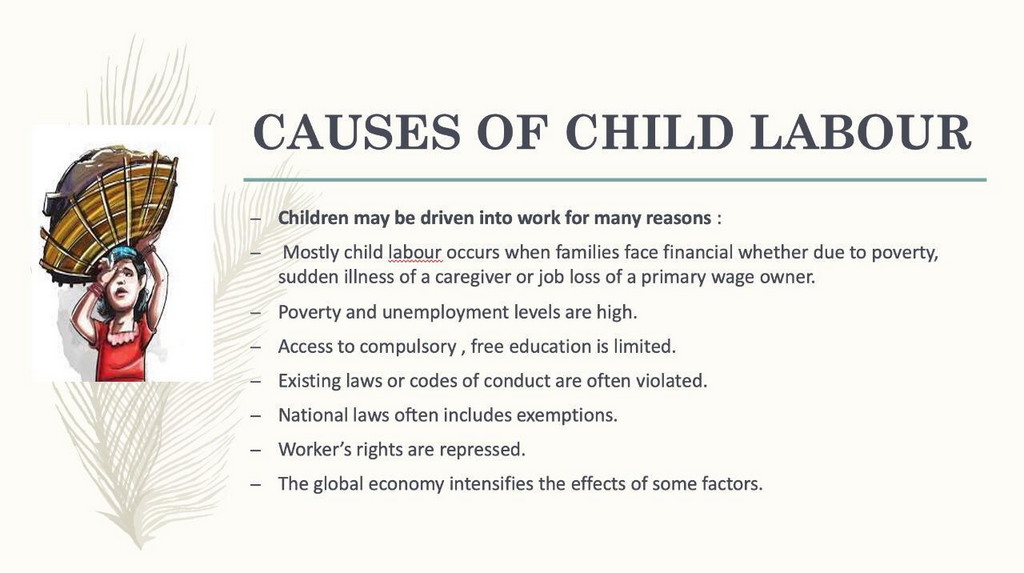
Several interrelated factors contribute to the perpetuation of child labour:
1. Poverty:
One of the primary drivers is economic necessity. Families in poverty often rely on their children's income for survival.
2. Lack of Access to Education:
In many regions, educational opportunities are limited, and the cost of schooling can be prohibitive.
3. Cultural Factors:
In some communities, child labour is culturally accepted or even expected.
4. Weak Legal Frameworks:
Inadequate laws and poor enforcement allow child labour to thrive.
5. Economic Exploitation:
Businesses may exploit children for cheap labour to maximize profits, often in informal and unregulated sectors.
Impact on Children:-

The consequences of child labour are profound and far-reaching:
- Health Hazards:
Children working in hazardous conditions are at risk of injuries, chronic illnesses, and psychological trauma.
- Educational Deprivation:
Child labour interferes with schooling, limiting future opportunities and perpetuating the cycle of poverty.
- Emotional and Psychological Effects:
The burden of work can lead to stress, depression, and a sense of hopelessness among children.
International Efforts and Challenges:-

Several international agreements and organizations strive to combat child labour:
- ILO Conventions:
The ILO’s Convention No. 138 on the Minimum Age for Employment and Convention No. 182 on the Worst Forms of Child Labour are pivotal in setting global standards.
- United Nations:
The UN's Sustainable Development Goals include the aim to end child labour in all its forms by 2025.
- Non-Governmental Organizations (NGOs):
Numerous NGOs work at the grassroots level to rescue children from labour, provide education, and support families.
Despite these efforts, significant challenges remain. Enforcement of laws is often weak, especially in rural and conflict-affected areas. Additionally, global economic pressures can exacerbate the exploitation of child labour.
Solutions and the Path Forward:-
A multi-faceted approach is essential to effectively address child labour:
1. Strengthening Legal Frameworks:
Governments must enact and enforce robust laws against child labour.
2. Education Access:
Ensuring free, quality education for all children can reduce the incidence of child labour.
3. Economic Support for Families:
Social protection measures and poverty alleviation programs can reduce families' reliance on child labour.
4. Public Awareness Campaigns:
Raising awareness about the detrimental effects of child labour can shift cultural attitudes and norms.
5. Corporate Responsibility:
Companies should adopt ethical practices and ensure their supply chains are free of child labour.
Child labour is a violation of human rights that requires immediate and sustained action. By addressing the root causes and implementing comprehensive strategies, it is possible to protect children and secure their future. Collective efforts from governments, international organizations, civil society, and the private sector are crucial in the global fight against child labour. Ending this practice is not just a moral imperative but a necessary step towards a more just and equitable world.


0 Comments