The Silent Crisis Understanding Deforestation

Deforestation, the large-scale removal of forested areas, stands as one of the most pressing environmental issues of our time. This silent crisis, driven by a combination of human activities and natural factors, threatens biodiversity, disrupts ecosystems, and contributes significantly to climate change.
Causes of Deforestation :-
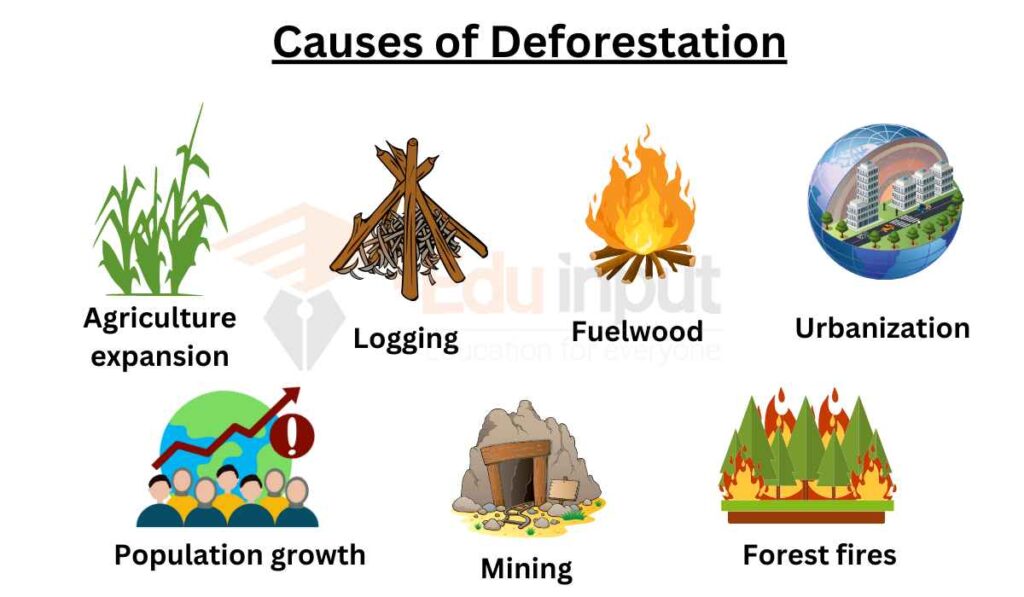
1. Agricultural Expansion:

One of the primary drivers of deforestation is the expansion of agricultural land. As the global population grows, the demand for food increases, leading to the conversion of forests into farmlands. This is particularly prevalent in tropical regions where forests are cleared for crops like soy, palm oil, and for cattle ranching.
2. Logging:
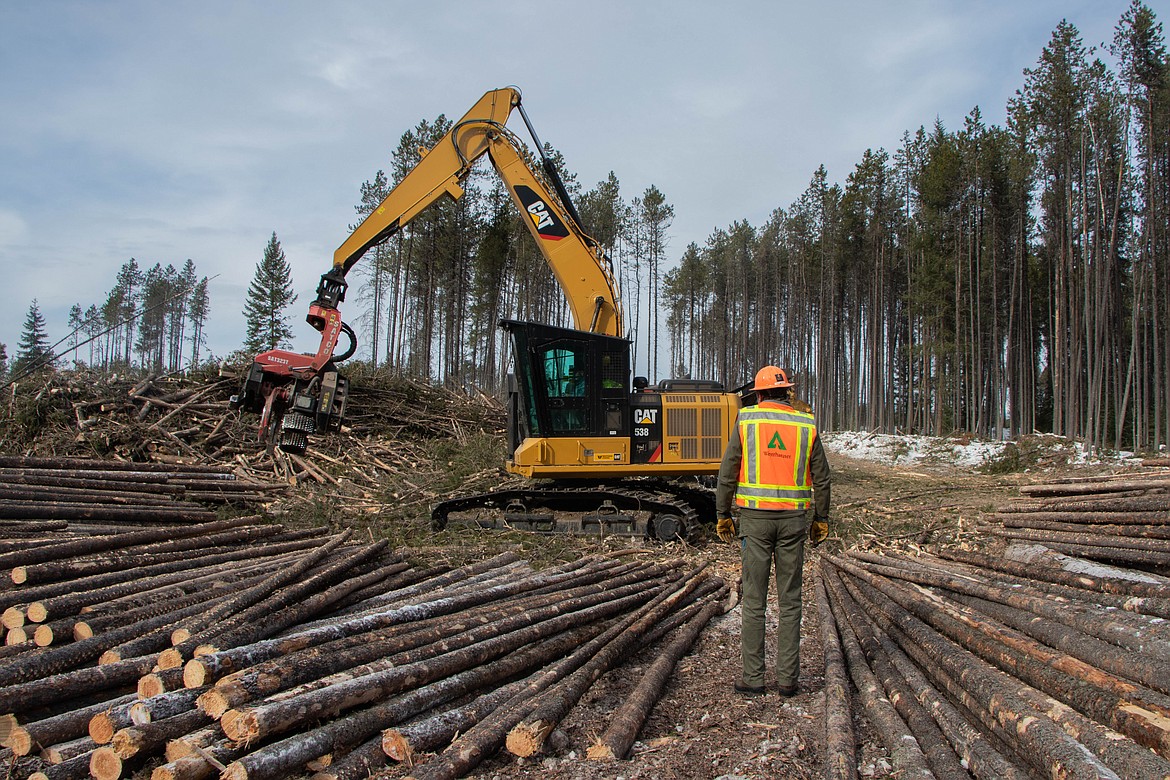
Both legal and illegal logging for timber and paper products leads to extensive tree removal. While some logging practices are sustainable, illegal logging operations often ignore environmental regulations, resulting in significant forest loss.
3. Infrastructure Development:
The construction of roads, highways, and urban areas contributes to deforestation. As cities expand and new infrastructure projects are developed, forests are often cleared to make way for progress.
4. Mining:

Extractive industries such as mining require large areas of land, leading to deforestation. The search for minerals and fossil fuels results in the removal of vast forested regions.
5. Climate Change:
While deforestation contributes to climate change, the changing climate also exacerbates deforestation. Increased temperatures, altered precipitation patterns, and extreme weather events can weaken forest ecosystems, making them more susceptible to fires, pests, and diseases.
- Impacts of Deforestation:-
1. Loss of Biodiversity:
Forests are home to a vast array of species. Deforestation destroys habitats, leading to the extinction of many plants and animals. The loss of biodiversity has cascading effects on ecosystem stability and resilience.
2. Climate Change:
Forests act as carbon sinks, absorbing CO2 from the atmosphere. When forests are cut down, not only is this carbon sequestration capability lost, but the carbon stored in trees is also released back into the atmosphere, contributing to greenhouse gas emissions.
3. Disruption of Water Cycles:
Trees play a critical role in regulating water cycles. They absorb and release water through transpiration, contributing to rainfall patterns. Deforestation can disrupt these cycles, leading to altered precipitation patterns and increased risk of droughts and floods.
4. Soil Erosion:
Trees help to anchor the soil with their roots. Without them, soil is more prone to erosion, which can lead to decreased agricultural productivity and sedimentation in waterways, impacting aquatic ecosystems.
5. Impact on Indigenous Communities:
Many indigenous communities depend on forests for their livelihoods and cultural practices. Deforestation can displace these communities and threaten their way of life.
- Solutions and Mitigation:-
1. Sustainable Agriculture:
Implementing practices such as agroforestry, crop rotation, and sustainable land management can reduce the need for deforestation while maintaining agricultural productivity.
2. Reforestation and Afforestation:
Planting trees in deforested areas (reforestation) and in non-forested areas (afforestation) can help restore ecosystems, enhance carbon sequestration, and improve biodiversity.
3. Legal Frameworks and Enforcement:
Strengthening laws and regulations around land use and logging, and ensuring their enforcement, can help curb illegal deforestation activities.
4. Consumer Choices:
Individuals can contribute by choosing sustainably sourced products, reducing meat consumption, and supporting companies with responsible environmental practices.
5. International Cooperation:
Deforestation is a global issue requiring international collaboration. Agreements like the Paris Agreement and initiatives such as REDD+ (Reducing Emissions from Deforestation and Forest Degradation) aim to provide financial incentives for developing countries to reduce deforestation and invest in sustainable development.
Deforestation is a complex issue with far-reaching consequences. Addressing it requires a multifaceted approach involving governments, businesses, communities, and individuals. By understanding the causes and impacts of deforestation and actively working towards sustainable solutions, we can help preserve our planet's vital forests for future generations.


0 Comments