Understanding the Generation Gap: Causes, Consequences, and Bridging the Divide
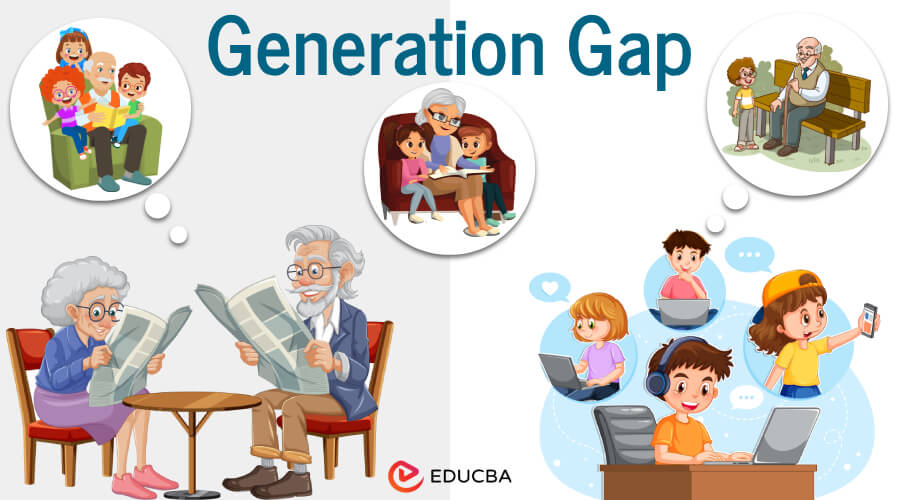
The concept of the "generation gap" has been a topic of discussion for decades, often highlighted as a source of tension between younger and older generations. At its core, the generation gap refers to the differences in attitudes, values, and behaviors that can exist between people from different age groups. These differences are shaped by the distinct social, cultural, technological, and economic environments in which each generation grows up. Understanding the causes and consequences of the generation gap is crucial for fostering communication and mutual respect between different age groups.
Causes of the Generation Gap:-

1. Cultural Shifts:
Each generation is influenced by the cultural trends and societal norms of their formative years. For instance, the Baby Boomers (born approximately 1946-1964) grew up in a post-World War II era characterized by economic prosperity and traditional family values. In contrast, Millennials (born approximately 1981-1996) and Generation Z (born approximately 1997-2012) have come of age in a time of rapid technological advancement, globalization, and social change, leading to different perspectives on issues such as work-life balance, social justice, and authority.
2. Technological Advancements:
Technology plays a significant role in widening the generation gap. Older generations may struggle to adapt to new technologies, while younger generations are often more tech-savvy and reliant on digital communication. This disparity can lead to misunderstandings and frustrations, as older individuals may perceive younger people as overly dependent on technology, while younger individuals may view their elders as out of touch.
3. Economic Factors:
Economic conditions also shape generational attitudes and expectations. For example, the Silent Generation (born approximately 1928-1945) experienced the Great Depression and World War II, which instilled in them a sense of frugality and caution. In contrast, Millennials and Generation Z have faced economic challenges such as student debt and job market instability, leading to different financial priorities and career aspirations.
4. Social Changes:
Social movements and changes in societal norms can create generational divides. For example, issues such as gender equality, LGBTQ+ rights, and racial justice have gained prominence in recent decades, often leading to differing views between older and younger generations on these topics. Younger generations tend to be more progressive and inclusive, while older generations may hold more traditional views.
Consequences of the Generation Gap:-

1. Communication Barriers:
One of the most significant consequences of the generation gap is the potential for communication breakdowns. Differences in language, communication styles, and cultural references can make it difficult for people from different generations to understand each other. This can lead to misunderstandings, conflicts, and a lack of effective collaboration in both personal and professional settings.
2. Workplace Tensions:
The generation gap is particularly evident in the workplace, where multiple generations often work side by side. Differences in work ethic, expectations, and communication styles can lead to tension and conflict. For example, older workers may view younger colleagues as entitled or lacking in work ethic, while younger workers may perceive older colleagues as resistant to change or out of touch with modern practices.
3. Family Dynamics:
Within families, the generation gap can manifest in disagreements over values, lifestyle choices, and parenting styles. For instance, grandparents may struggle to understand the parenting methods of their children, leading to conflicts over child-rearing practices. Similarly, younger family members may feel misunderstood or judged by their elders for their choices in areas such as career, relationships, and lifestyle.
4. Social and Political Polarization:
The generation gap can also contribute to social and political polarization. Younger and older generations often have different views on political issues, with younger people tending to be more liberal and older people more conservative. This divide can create tensions in society, particularly during elections or debates over social policies.
Bridging the Generation Gap:-
While the generation gap presents challenges, it also offers opportunities for learning and growth. Bridging the divide requires effort and empathy from all generations. Here are some strategies to help close the gap:
1. Open Communication:
Encouraging open, respectful dialogue between generations is essential. Listening to each other’s perspectives and experiences can help build understanding and reduce misunderstandings. It’s important for individuals to approach conversations with an open mind and a willingness to learn.
2. Embracing Diversity:
Recognizing the value of diverse perspectives can help bridge the generation gap. Each generation brings unique strengths and insights to the table, and by valuing these differences, we can foster a more inclusive and collaborative environment in both personal and professional settings.

3. Lifelong Learning:
Both younger and older generations can benefit from a commitment to lifelong learning. Older individuals can stay engaged and relevant by keeping up with technological advancements and social changes, while younger individuals can learn from the wisdom and experience of their elders.

4. Mentorship and Collaboration:
Mentorship programs that pair individuals from different generations can be highly effective in bridging the gap. Older mentors can provide guidance and support to younger individuals, while younger mentors can offer fresh perspectives and insights into new technologies and trends.
5. Promoting Intergenerational Activities:
Encouraging activities that bring together people from different generations can help break down stereotypes and build connections. Community programs, family gatherings, and workplace initiatives that promote intergenerational interaction can foster mutual respect and understanding.
The generation gap is an inevitable aspect of human society, driven by the ever-evolving nature of culture, technology, and economics. While it can create challenges, it also offers opportunities for growth, learning, and collaboration. By embracing open communication, valuing diversity, and promoting intergenerational understanding, we can bridge the generation gap and create a more harmonious and inclusive society.


0 Comments