The Rise of Online Study Revolutionizing Education

In the past couple of years alone, online study has dramatically changed the face of education. The change, informed by technological and internet-driven progress, has vastly remodeled the way of learning, making education more flexible, inclusive, and available than it ever has been.
The Evolution of Online Study
Online study has certainly come a long way from some of its earlier days, typically restricted to basic correspondence courses delivered by email. Today, it encompasses a vast array of programs that range from short courses and certifications to fully accredited degrees from top institutions. Platforms like Coursera, edX, and Udemy have become household names in offering courses across a wide range of subjects. These have democratized education in the sense that today, learners can study at their own pace, from anywhere in the world, and at any time of their convenience.
Flexibility and Convenience:-
Probably one of the greatest benefits of studying online is that it offers flexibility. Traditional education is characterized by time limits, wherein one has to work according to a fixed timetable. This strains those who work or have other family commitments. Online courses, however, offer one the convenience of learning any time and anywhere. This flexibility gives an individual the ability to tailor his education to fit his or her lifestyle. This makes obtaining an online degree possible while one works full time, raises children, or even travels.
Accessibility and Inclusivity:-
It has also brought education to many more people. Students from remote areas or who cannot afford to move to a different city for studying have the same facility available to them in both aspects and quality, that are offered to students residing in urban centers. Moreover, online education is usually more affordable compared to the on-campus study series. Savings on commutation, accommodation, and other related expenses bring down the cost considerably. This has opened the doors for students from various socio-economic backgrounds and has bridged the educational gap.
Secondly, online studying accommodates any learning style. From watching video lectures to readings, quizzes, and interactive discussions, students can focus on which method of engaging with the course materials works best for them. This is personalized, so it can help in better retention and deeper level of understanding of the subject matter.
Challenges and Considerations:-

Though the beneficent role of online studying cannot be denied, it does come with its problems. The most prominent one would be the apparent lack of face-to-face interaction, for which most students have reported feelings of isolation. Most of the online programs bring in discussion forums, group projects, and virtual office hours to create a feeling of community. The other important aspect to succeed in online courses is self-discipline and time management skills. Sometimes, in spite of its flexibility, it opens an avenue of procrastination.
The other disadvantage is the credibility and recognition accorded to online degrees. Although the attitude towards online education is changing, some employers and institutions still look at online qualifications suspiciously. This, however, is gradually changing with more and more prestigious universities and colleges offering online programs, and with employers changing their attitude towards the skills and knowledge obtained through such platforms.
The Future of Online Study:-
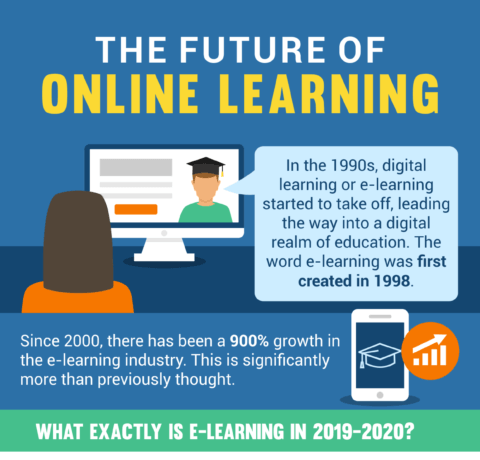
With technology continuously on the rise, it holds great things for the future of online study. Innovations such as artificial intelligence, virtual reality, and personalized learning algorithms all point toward further enhancing the online learning experience. They create a more immersive and interactive environment in which students could engage with content in new ways.
Moreover, the COVID-19 pandemic has accelerated this adoption of online education, forcing institutions worldwide to rethink traditional ways of teaching. This shift provided greater acceptance of online study as a legitimate and effective mode of learning, paving the way for further growth in the sector.
Conclusion:-
Study online has made the process of education much more flexible, accessible, and inclusive. Challenges still persist, but its benefits cannot be negated. The future is, therefore, one where online education will feature much more significantly than previously in shaping how we will learn, breaking down barriers, and opening up opportunities to learners across the world. Online study provides you with a pathway toward the achievement of your goals—the advancement of your career, exploring a new discipline, or gaining a degree—on your terms.


0 Comments