The Essence of Human Capital: Driving Growth and Innovation
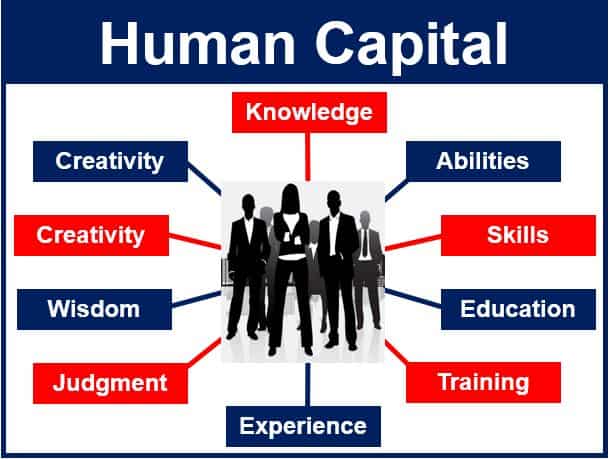
Human capital, a term encompassing the skills, knowledge, experience, and attributes embodied in individuals, is a fundamental asset in today's economy. Unlike physical or financial capital, human capital is inherently tied to people, making it a unique and invaluable resource for driving growth and innovation in various sectors.
Understanding Human Capital:-
At its core, human capital refers to the collective value of an individual’s capabilities, shaped by education, training, health, and personal attributes like creativity and resilience. It encompasses both tangible aspects, such as technical skills, and intangible ones, like emotional intelligence and leadership qualities.
The concept has evolved significantly since its inception in the 1960s by economists Gary Becker and Jacob Mincer, who highlighted the economic value of investing in people. Today, human capital is recognized as a critical driver of productivity and competitiveness in both organizations and economies.
Importance in the Modern Economy:-
In the contemporary knowledge-based economy, human capital plays a pivotal role. The rapid pace of technological advancement and globalization has shifted the focus from traditional assets to intellectual and creative assets. Organizations with a strong emphasis on human capital are better positioned to innovate, adapt to market changes, and maintain a competitive edge.
1. Innovation and Creativity:- High levels of human capital foster an environment where innovation can thrive. Skilled and knowledgeable workers are more likely to generate new ideas and solutions, driving technological advancements and improvements in processes and products.
2. Productivity: - Educated and well-trained employees are typically more productive. They can perform tasks more efficiently and effectively, contributing to higher output and better quality.
3. Economic Growth: - At a macroeconomic level, investments in human capital are linked to higher economic growth. Countries that prioritize education, healthcare, and workforce development tend to experience more sustainable economic development.
Investing in Human Capital:-
Investment in human capital is crucial for individuals, organizations, and governments. Here’s how different entities can contribute:
1. Education and Training:- Continuous learning opportunities, from formal education to on-the-job training, are essential. Organizations can support their workforce through professional development programs and upskilling initiatives.
2. Health and Well-being:- Physical and mental health significantly impact productivity and creativity. Providing access to healthcare and promoting a healthy work-life balance can enhance human capital.
3. Workplace Environment:- A positive and inclusive workplace culture that encourages collaboration, diversity, and innovation can maximize the potential of human capital.
4. Technology and Tools:- Equipping employees with the latest technology and tools ensures they can perform their roles effectively, further enhancing their capabilities.
Challenges and Future Directions:-
Despite its importance, optimizing human capital presents several challenges. These include disparities in education and training opportunities, health inequities, and the need for continuous adaptation in the face of technological change.
To address these challenges, a collaborative approach involving policymakers, educational institutions, and businesses is necessary. Future strategies should focus on:
1. Lifelong Learning:- Creating systems that support continuous education and skill development throughout an individual’s career.
2. Inclusive Policies:- Ensuring equal access to education and health services for all segments of the population.
3. Adapting to Technological Changes: - Preparing the workforce for the future by integrating digital literacy and advanced technological skills into education and training programs.
Conclusion:-
Human capital is a dynamic and multifaceted asset that is central to the success of individuals, organizations, and economies. By understanding its value and investing in its development, we can drive innovation, enhance productivity, and achieve sustainable growth. As the landscape of work continues to evolve, prioritizing human capital will remain crucial for navigating the challenges and opportunities of the future.


0 Comments